English Cocker Spaniel Grooming: Feathering and Pet Trims
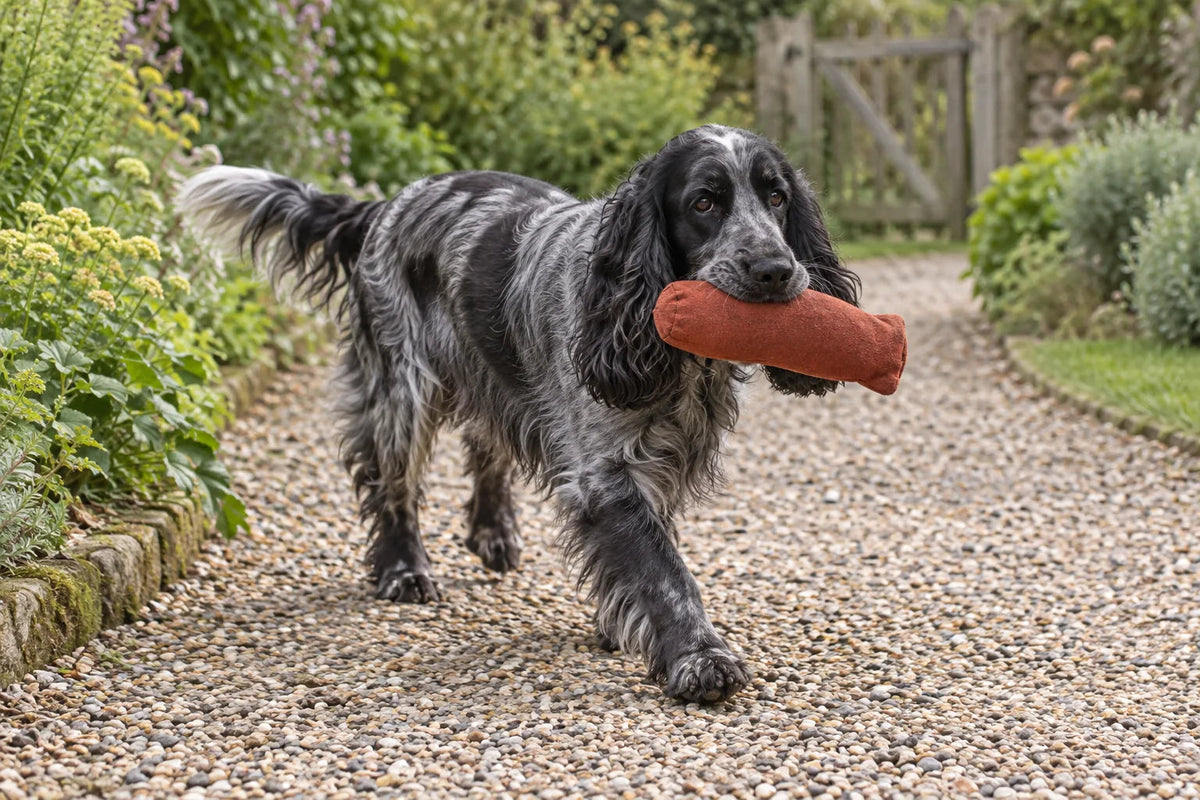
An English Cocker Spaniel's grooming needs can look very different from one dog to the next. A lightly feathered, active dog may need a quick debris check after every outing; a fuller-coated companion may need much more detailed work through the chest, ears and legs.
Start with the coat in front of you. A heavy show outline is not a requirement for a pet, and a short body clip is not an automatic requirement for every Cocker.
Manage the feathering without losing sight of the body coat. Agree a maintenance method and a practical length with your groomer before asking for “a Cocker cut”.
Match the routine to coat and lifestyle
The AKC's English Cocker profile describes regular brushing and combing alongside trimming of selected areas. The breed's coat standard describes a silky, flat or slightly wavy coat with protective undercoat and feathering that should not interfere with activity.
Those are useful principles for a pet: comfortable movement, manageable hair and a routine that actually reaches the hidden areas. Compare the coat at the back, chest and inside of the legs; they may need different amounts of attention.
Do a small check after every messy walk
Before your dog settles on the sofa, look through the ear ends, leg feathering, chest and feet. Remove loose leaves and twigs gently. If something is caught tightly, do not pull it through the surrounding hair or probe into the skin.
Blot wet feathering rather than rubbing it into tangles. Letting a muddy tangle dry into a solid clump can make the next grooming session unnecessarily difficult. Where ordinary surface dirt needs rinsing, dry the area afterwards and reassess it once the hair can be separated comfortably.
This brief habit is different from a full groom. It catches the obvious problems early, while a planned brush-and-comb session checks the coat more thoroughly.
Comb beneath the attractive surface
- Work on a stable non-slip surface with your dog in a comfortable position.
- Part longer hair into thin sections instead of brushing only the outer layer.
- Use light strokes with a brush suited to the coat, keeping the skin comfortable.
- Check each finished section with a metal comb, starting with wider spacing.
- Return to a loose snag patiently; stop if it is tight, painful or close to the skin.
The VUNRO combination comb can help check longer feathering after brushing. Finer teeth are a finishing check where they pass easily, not a way to drag through resistance.
Pay particular attention behind the ears, beneath a harness, in the armpits and inside the rear legs. A neat line down the back tells you very little about these hidden areas. Have felted mats assessed by a groomer rather than attempting to cut underneath them.
A natural finish and a clipped pet trim are different choices
The parent club's grooming guidance notes that coat quantity varies, with many field-bred dogs carrying less hair, and discusses both regular trimming and shorter pet trims. That supports an individual plan rather than a fixed haircut for the entire breed.
Ask whether the groomer will maintain the body coat's natural finish using appropriate specialist techniques, shorten selected feathering, or provide a clipped pet trim. These are not interchangeable services. If preserving the natural topcoat matters to you, say so before the first body clip and ask about the effect of the proposed method on its finish.
Clipping may form part of an agreed practical pet style, but it should not be prescribed simply because your dog is a spaniel. Nor should an owner be expected to learn specialist stripping or thinning from a short written description.
Prepare carefully before a haircut
Check the coat before an ordinary bath and seek help with substantial matting first. Use dog shampoo as directed, rinse thoroughly and protect the eyes and ears. Ear feathering and the underside deserve the same careful rinse as the back.
Blot off excess water and dry with comfortable, moving airflow if tolerated. Check beneath the surface; clipping requires a clean, fully dry, combable coat. Our coat preparation guide gives the sequence in more detail.
If the appointment involves specialist coat work, ask how the groomer wants bathing timed around it. Do not assume every grooming technique needs identical preparation.
Choose tools for the agreed job
For owners maintaining a professionally planned clipped trim, the VUNRO D-Series clipper uses D-Series blades. The finished length and attachment should suit the coat and area being worked on, with guidance for your individual dog.
The VUNRO Universal Guard Comb Set fits compatible A5 and D-Series blade setups. Guard combs need prepared, tangle-free hair; they are length-setting accessories, not mat removers. Confirm the correct supporting blade before use.
Leave detailed work around ear edges, the face, skin folds and feet to experienced hands until you have been taught appropriate handling. A moving dog and a precision cutting tool are not a good place for guesswork.
Keep track of what needs changing
Inspect nails and dewclaws regularly, even on an active dog. Walking does not tell you the condition of every nail. For ear care, keep observations external and avoid inserting grooming tools into the canal.
Tell the groomer where hair collected debris, where snags returned and how long maintenance took. Keeping feathering slightly more practical can preserve a recognisable spaniel outline while making everyday care much easier for both of you.
Keep learning
More from the Blade Blog
Whippet Grooming: Gentle Coat Care and Comfortable Nails
Read the guide →
Chihuahua Grooming: Smooth Coats, Long Coats and Tiny Paws
Read the guide →